


How to Measure Your Closet
Measure your walk-in or reach-in closet accurately before designing your custom closet system.
Accurate measurements are the foundation of a perfect fit. Follow this step-by-step guide to measure your space with confidence, then use your dimensions to design a fully customizable closet system.
Easy Step-by-Step Process
Clear instructions from start to finish.
Measure to the Nearest 1/8″
Accurate measurements ensure a perfect fit
Works for All Closet Types
Designed for walk-in and reach-in spaces
Support When You Need It
Get help from our team at any stage
Tools and Preparation
Tape Measure
Use a 25 ft tape measure for all dimensions. A laser measurer can help for longer walls.
Notepad & Pencil
Sketch your closet layout and label each wall or section clearly.

Step Stool or Ladder
Safely measure ceiling heights and upper areas.
Measuring Partner
A second person helps keep the tape straight and improves accuracy.
Optional Tools
Use an angle finder or level to check slopes, corners, and wall alignment.
Preparation Tip
Remove any items blocking walls, corners, or floors before measuring.
How to Measure a Walk-In or Reach-In Closet
Step 1: Measure Wall Widths
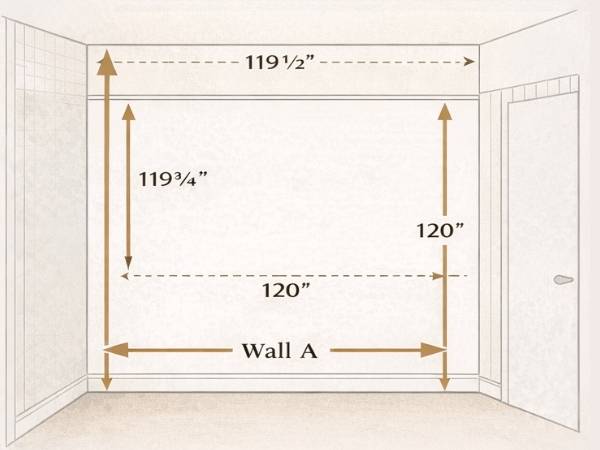
Measure each wall in multiple locations to ensure accuracy.
- Measure near the floor, mid-height, and near the ceiling
- Take measurements just above baseboards
- Label each wall clearly
- Use the smallest measurement for design
- Repeat for all walls, including side and return walls
Step 2: Measure Closet Depth
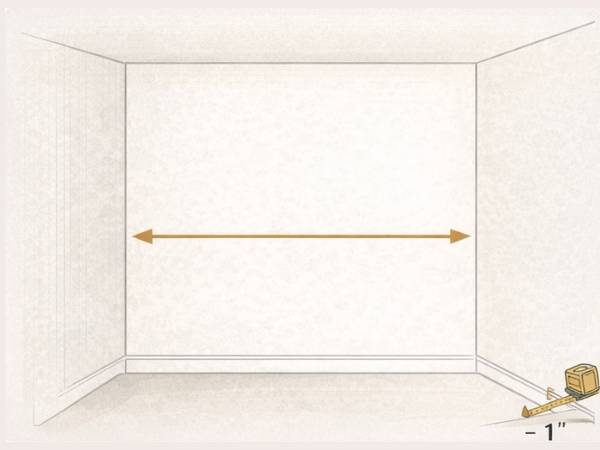
Measure how deep your closet space is from front to back.
- For reach-in closets, measure side walls from back wall to door trim
- For walk-in closets, measure distance between opposing walls
- Check walkway space if adding features like islands
- Start at the 1 inch mark on your tape for better accuracy
Step 3: Measure Ceiling Height
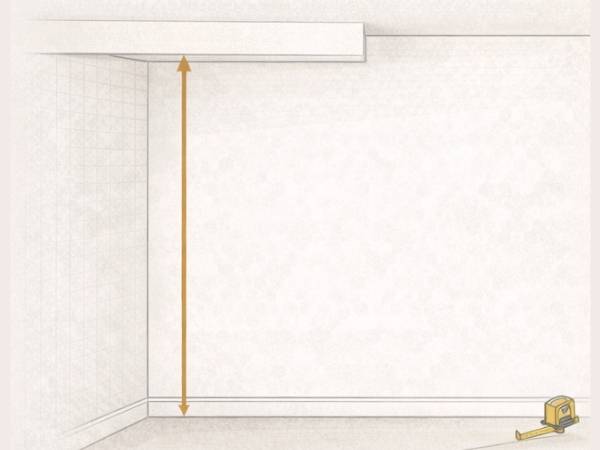
Determine the usable vertical space in your closet.
- Measure floor to ceiling in multiple locations
- Use the lowest height for planning
- Record soffits, bulkheads, or ceiling drops
- For sloped ceilings, measure both high and low points
Step 4: Measure Doors and Openings
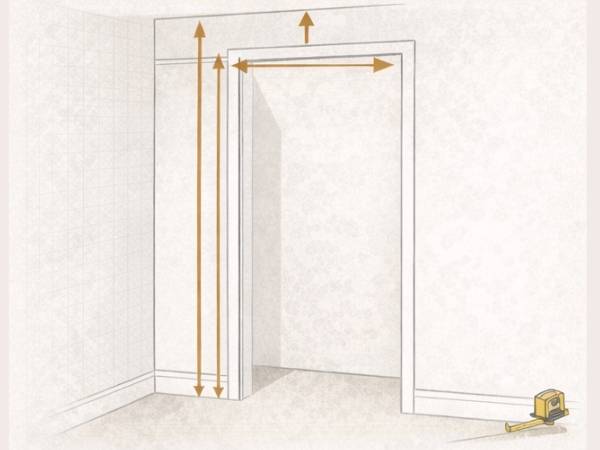
Record all access points and entry clearances.
- Measure door width from frame to frame
- Measure height from floor to top of frame
- Record header space above doors
- Note door type and swing direction
- Identify obstructions like hinges or tracks
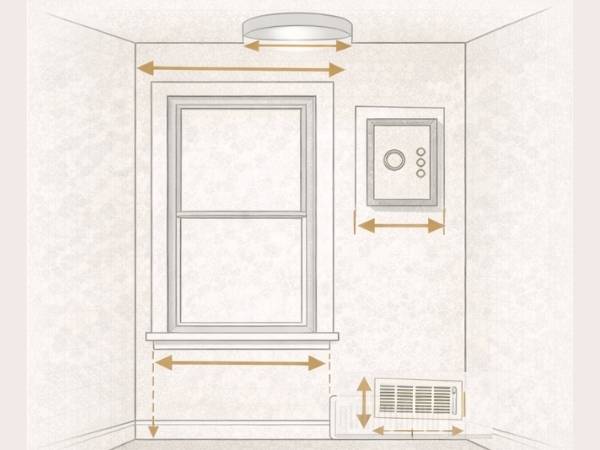
Step 5: Locate Obstacles and Features
Identify anything that affects your closet layout.
- Outlets, switches, and light fixtures
- Vents, windows, and baseboard heaters
- Pipes, access panels, or columns
- Built-in features or attic access
- Ensure airflow around vents remains clear
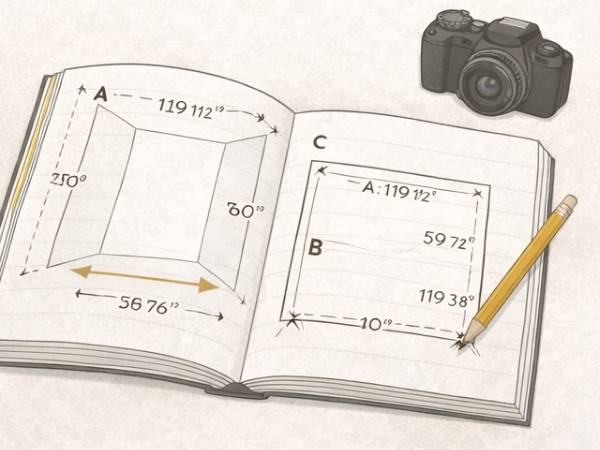
Step 6: Double-Check Your Measurements
Confirm everything before starting your design.
- Re-measure key dimensions
- Cross-check opposite walls
- Record measurements to the nearest 1/8″
- Round down slightly if unsure
- Take photos of complex areas
Ready to Design Your Closet?
Once your measurements are complete, start designing your custom closet system using our online configurator.


